

What is a KuCoin P2P Clone Script?
A KuCoin clone script is a pre-built exchange product based on the trading flow users see on KuCoin. It gives startups a ready base for user accounts, wallet access, trade listings, market data, and admin control. KuCoin’s public pages highlight key parts such as user protection, fee benefits, and broad asset support.
The main value is speed. A business can launch with familiar exchange features instead of building each module from scratch. The product often includes the order book, user dashboard, wallet management, market tracking, trade history, and admin monitoring. KuCoin’s API docs show that a live exchange needs stable market data and accurate order book handling, not just a polished front end.
Companies choose this model to cut build time, lower early engineering cost, and start with a structure users already understand. That gives founders more room to spend on compliance, payment support, security checks, and growth.
Why Entrepreneurs Choose a KuCoin Clone Script
Faster Time-to-Market
Time is critical in crypto. A long build can delay launch and raise costs. A KuCoin clone script gives startups a ready base with key exchange modules already built. This helps teams launch in weeks instead of spending months on core development.
The real value is business speed. Founders can move faster on branding, legal setup, payment support, and user growth. That makes it easier to start a crypto exchange business with a clear launch plan.
Cost-Effective Development
Building an exchange from scratch takes a large budget. The business needs developers, testers, security staff, and infrastructure support. A clone script cuts much of that early cost by reducing the amount of custom work.
It helps teams spend less on coding and testing. It cuts project risk and keeps the build scope easier to manage. This makes it a practical choice for companies that want to build a crypto exchange platform without heavy upfront spending.
High ROI and Revenue Potential
A crypto exchange can earn from many revenue streams. Trading fees are one of the most common. Withdrawal fees add steady income. Token listing fees can create extra revenue once the platform attracts blockchain projects. Premium services can bring in more from active users and institutional clients.
This fee structure gives the business more than one way to earn. That makes the model attractive for startups that want faster returns after launch.
Key Features of a KuCoin Clone Script
Advanced Trading Engine
The trading engine runs the exchange. It manages order matching, trade execution, and balance updates. A strong engine gives users real-time trading and smooth order processing. It can support spot trading and, in some cases, margin trading.
Secure Wallet Integration
Wallet support is a key part of the platform. Users need a safe place to store and move digital assets. A good clone script supports multiple currencies, clear balance tracking, and wallet history.
Hot and cold wallet support adds another layer of protection. This helps the exchange manage active funds and reserve funds with better control.
User Trading Module
The trading module lets users buy and sell crypto through the platform with speed and clarity. It supports live order placement, order tracking, trade history, and account management. Support for multiple payment methods and asset pairs makes the platform more useful across different markets.
This feature is one of the main reasons many startups choose a KuCoin-style exchange model.
Robust Admin Dashboard
The admin dashboard helps the business manage the platform from the back end. Staff can review users, monitor trades, control fees, and respond to risk events. Strong admin tools support daily operations and help the exchange run with better control.
Multi-Language and Global Accessibility
Crypto trading serves users across many regions. Multi-language support helps the platform reach wider markets. Localization features can include local currency display, regional payment methods, and market-specific settings.
Technical Architecture Behind a KuCoin Clone Platform
Blockchain Integration
The blockchain layer manages deposits, withdrawals, wallet balances, and token support. It gives the exchange a clear system for moving assets across supported networks. Most KuCoin clone platforms support common token standards such as ERC-20. This helps startups list assets faster and connect with wallets, explorers, and third-party tools without extra work.
Smart contracts add control to the platform. They can manage fee collection, settlement rules, and token transfers. This lowers manual work and gives the team a clear record of each transaction.
A good blockchain setup should support more than one network. Users expect flexible deposit and withdrawal options. They also expect the platform to track confirmations, estimate network fees, and monitor wallet activity. These details improve trust and reduce failed transactions.
Trading Engine Framework
The trading engine handles order placement, matching, fee calculation, and trade execution. It is the core of the exchange. If the engine is slow, users see delayed trades and poor pricing. If it works well, the platform feels fast and reliable.
Most exchanges use price-time priority. That means better prices go first, and older orders at the same price get matched before newer ones. This rule is simple, fair, and easy for users to understand.
Liquidity is just as important as speed. A new exchange often starts with low trading volume. That can lead to wide spreads and weak order books. Liquidity aggregation helps fix this by connecting the platform to market makers or external liquidity sources. This gives users better pricing and a stronger first impression.
Security Infrastructure
Security protects both user funds and platform uptime. A KuCoin clone script should include two-factor authentication, encrypted traffic, anti-DDoS protection, and compliance tools from the start.
Two-factor authentication adds a second login check for account access, withdrawals, and API actions. This reduces account takeover risk. Encryption protects data in transit, including passwords and account activity. Anti-DDoS tools help the site stay online during traffic attacks.
KYC and AML controls matter too. They help the exchange verify users, screen risky activity, and meet legal rules in many markets. For any business planning crypto exchange security architecture, these controls are part of the base system.
Development Process for Launching a KuCoin Clone Exchange
Launching a KuCoin clone exchange works best with a clear process. The goal is to reduce risk, control cost, and reach the market fast.
Step 1: Market Research and Business Strategy
Start with the market. Define the target users, their region, preferred payment methods, and trading habits. A retail exchange, a remittance-focused platform, and a B2B trading platform all need different features.
Study direct competitors. Review their fees, supported assets, local payment options, app ratings, and user complaints. This shows where your platform can stand out.
Step 2: Choosing the Right Clone Script Provider
The provider shapes the speed and quality of the launch. Review the tech stack, security setup, wallet support, and admin controls. A strong KuCoin clone script development company should offer source code access, core security features, and room for product changes.
Customization matters here. The platform should support fee changes, branding updates, payment options, and local market needs without a full rebuild.
Step 3: Customization and Branding
This stage turns the script into your product. Update the design, logo, colors, and user flow. Add the features that match your business plan. For a trading-focused platform, spot trading, wallet management, and market tracking may come first.
A clear interface builds trust. Users should find deposits, withdrawals, trades, and support options without confusion.
Step 4: Testing and Security Audits
Before launch, the platform needs full testing. Stress testing checks how the system performs under heavy traffic. Penetration testing checks for weak points in login, wallets, and APIs. Bug fixing should focus on high-risk issues first, especially anything tied to funds or user access.
Step 5: Deployment and Launch
After testing, deploy the platform on cloud infrastructure that supports uptime, traffic balancing, and growth. Then start with a beta launch. Early users can spot weak points in onboarding, payments, and trading flow. Fix those issues before the full launch.
A strong crypto exchange development process gives the business a better start. It turns a ready-made script into a working exchange with real commercial value.
Business Use Cases for KuCoin Clone Platforms
Crypto Startup Exchanges
A KuCoin clone platform helps startups launch faster. It gives them core exchange features like trading, wallets, and admin controls from the start. This cuts build time and lowers setup cost. Startups can focus on branding, user growth, and revenue.
Fintech Companies Expanding into Crypto
Fintech firms can use a KuCoin clone script to add crypto trading to their current services. This works well for companies in payments, remittance, or digital banking. It helps them add new income streams and keep users on one platform.
Regional Crypto Trading Platforms
A clone platform is useful for local exchanges in emerging markets. Businesses can add local language support, domestic payment methods, and regional currency pairs. This makes the platform easier for local users to trust and use.
Decentralized Trading Ecosystems
Some businesses use KuCoin clone platforms to build hybrid exchanges. These platforms combine centralized trading with more flexible user-driven transaction models. This gives users more choice and helps the business serve different types of traders.
This makes the model useful for companies building a strong crypto exchange business model or a wider fintech crypto platform.
Conclusion
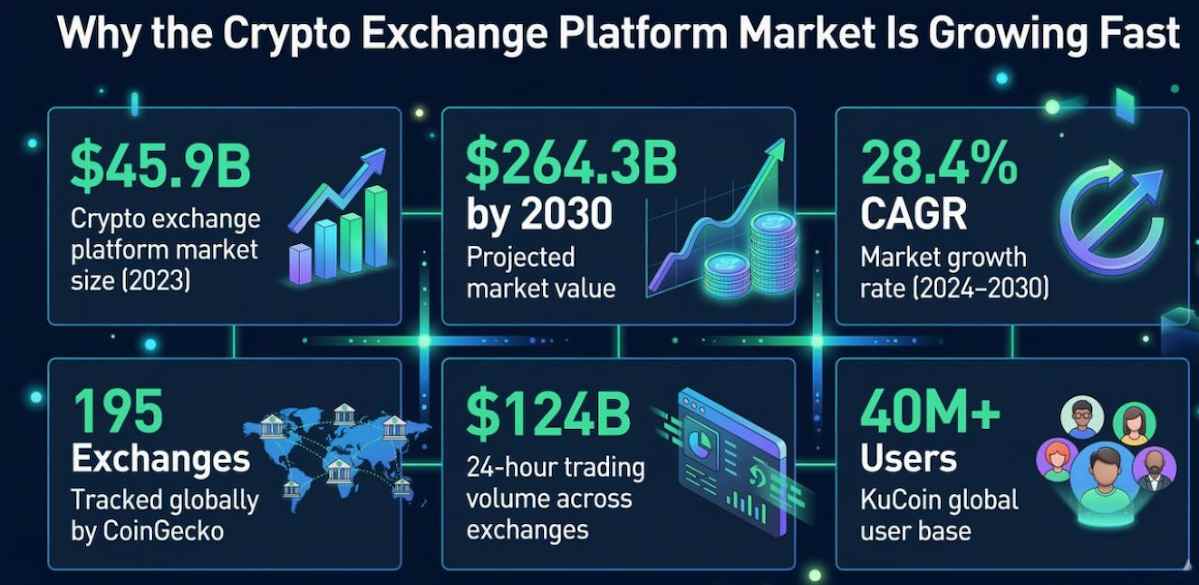
Launching a crypto exchange requires strong infrastructure, security controls, and reliable trading systems. Building all of these from scratch takes time and heavy investment. A KuCoin clone script offers a faster path by providing ready exchange modules such as trading engines, wallet management, market data tools, and admin controls. This helps startups, fintech firms, and regional trading platforms enter the market with lower development cost and shorter launch cycles. As global demand for crypto trading platforms continues to rise, businesses that adopt proven exchange software can focus on user growth, liquidity, and service quality instead of spending years on core product development. For companies planning to start a crypto exchange, a KuCoin clone script can serve as a practical foundation for building a scalable and competitive trading platform.